Trauma
Therapy
Navigate trauma recovery with safety and ease
You’ve been getting through life, maybe you’ve always just been “getting through” maybe you once felt you were living life then lost this. But you’ve been carrying a heavy burden of what’s happened to you and still trying to make life work. It’s so exhausting, you wonder and wish for something more than this from life.
With trauma therapy, I’ll help you process and heal from the pain of the past and connect to yourself to feel more peace and create the life you’re wanting to live.
“And now, born from the ashes, she’s a warrior in bloodied black.”

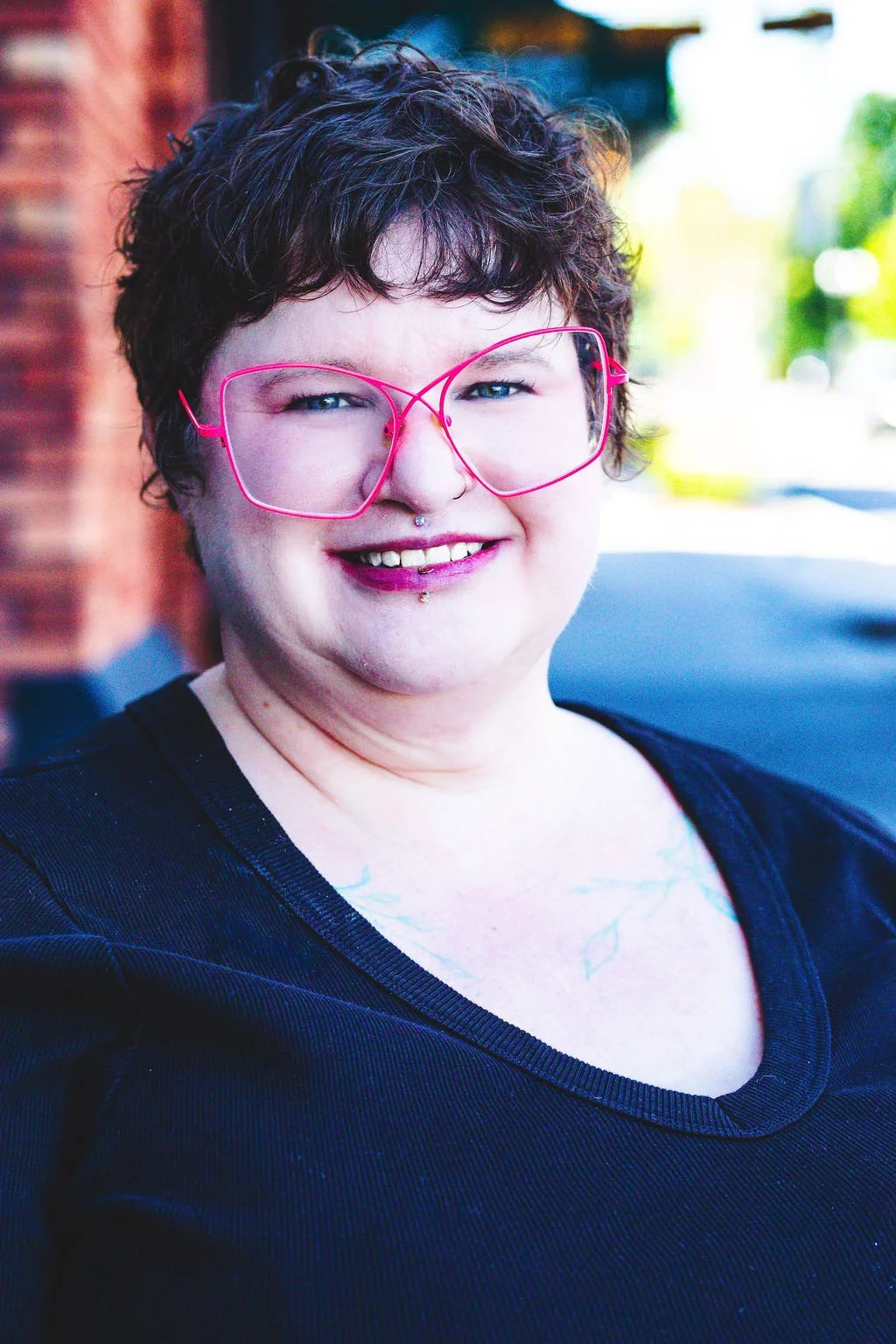
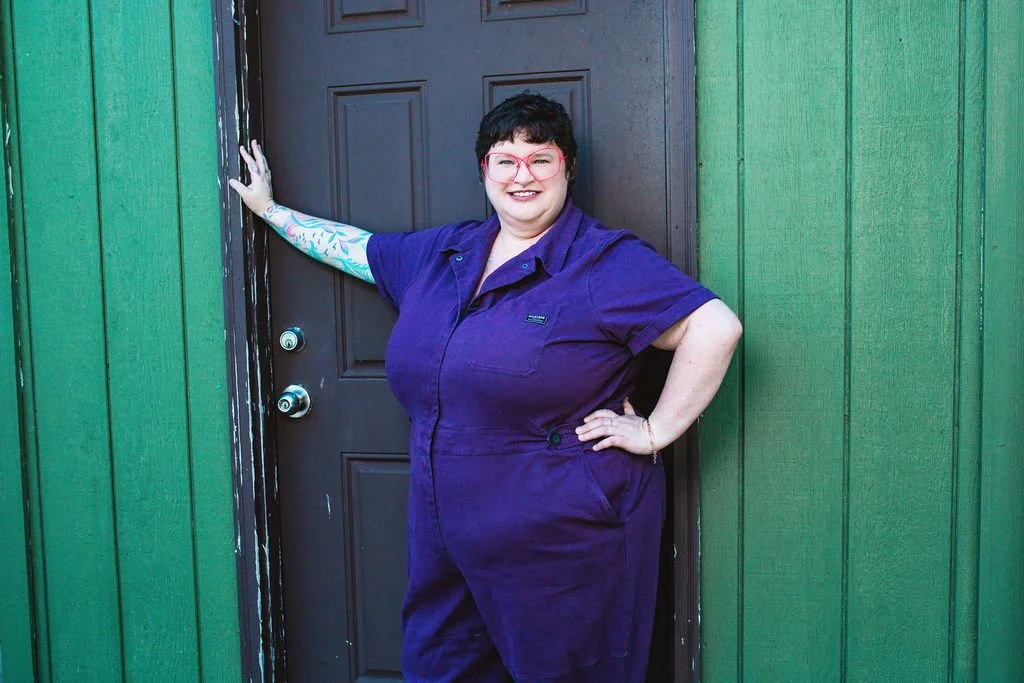
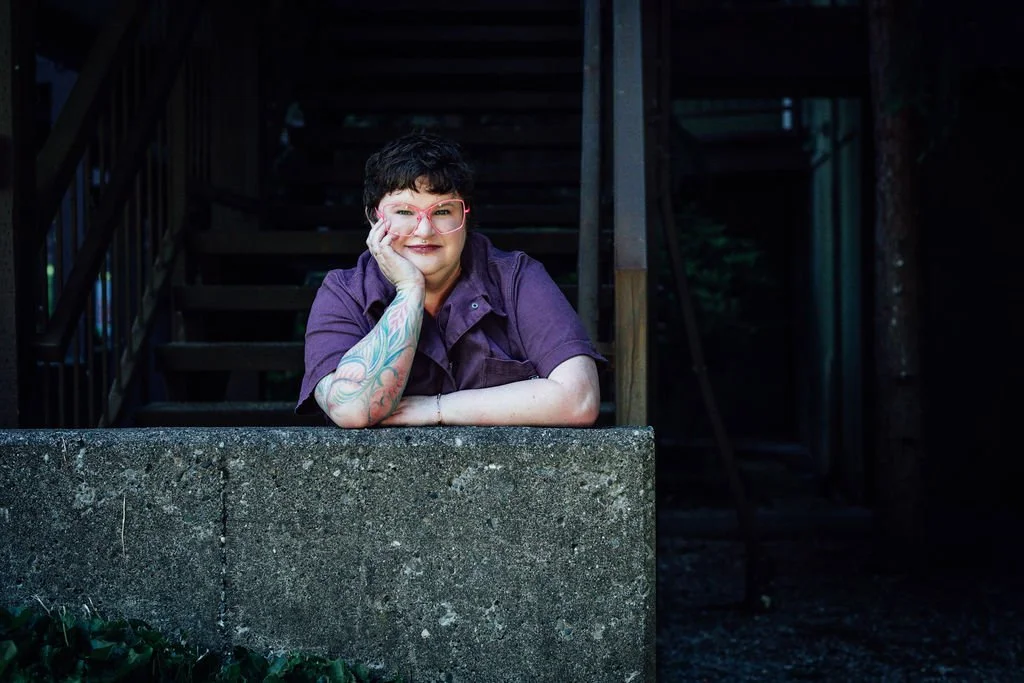
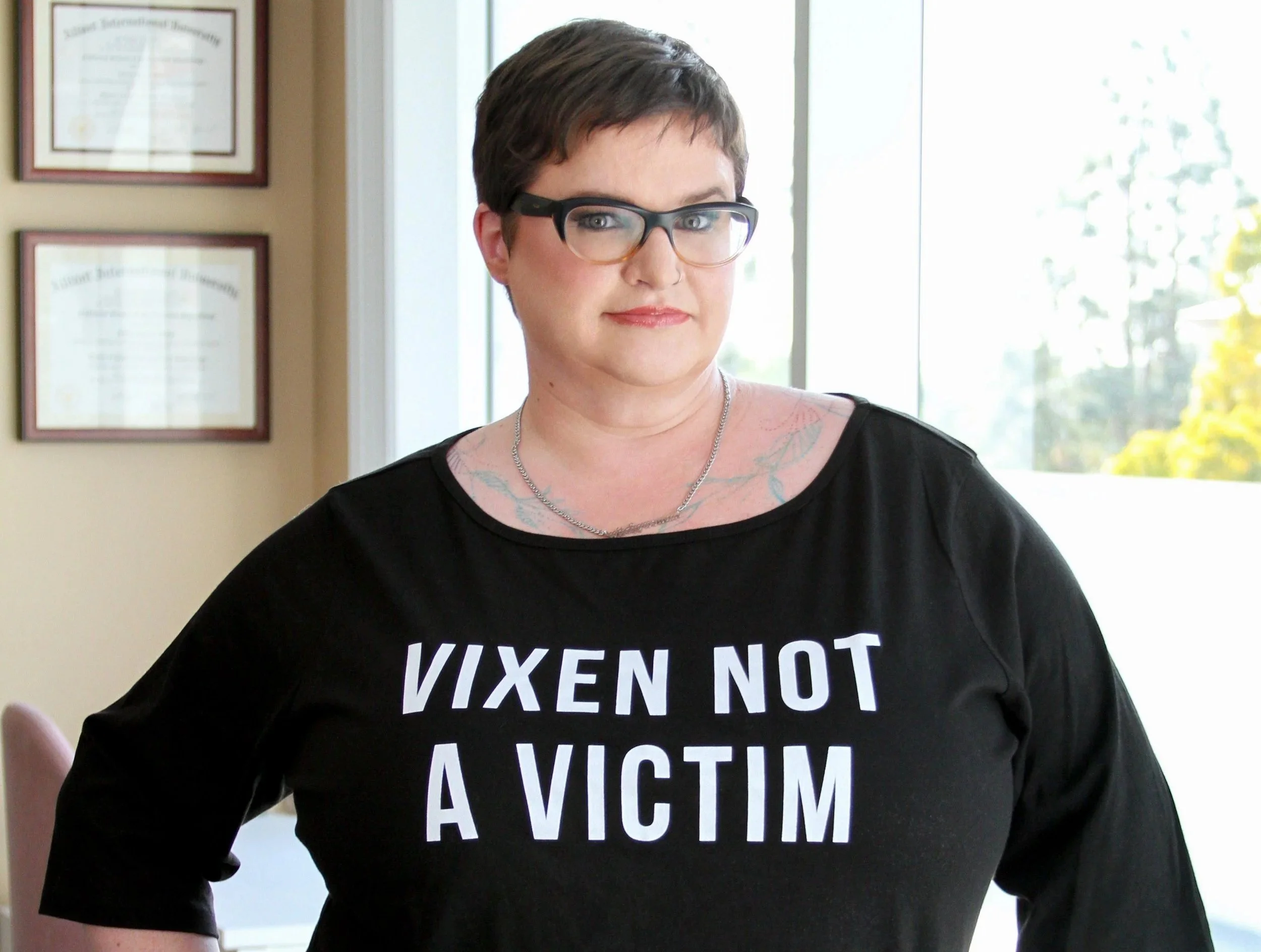
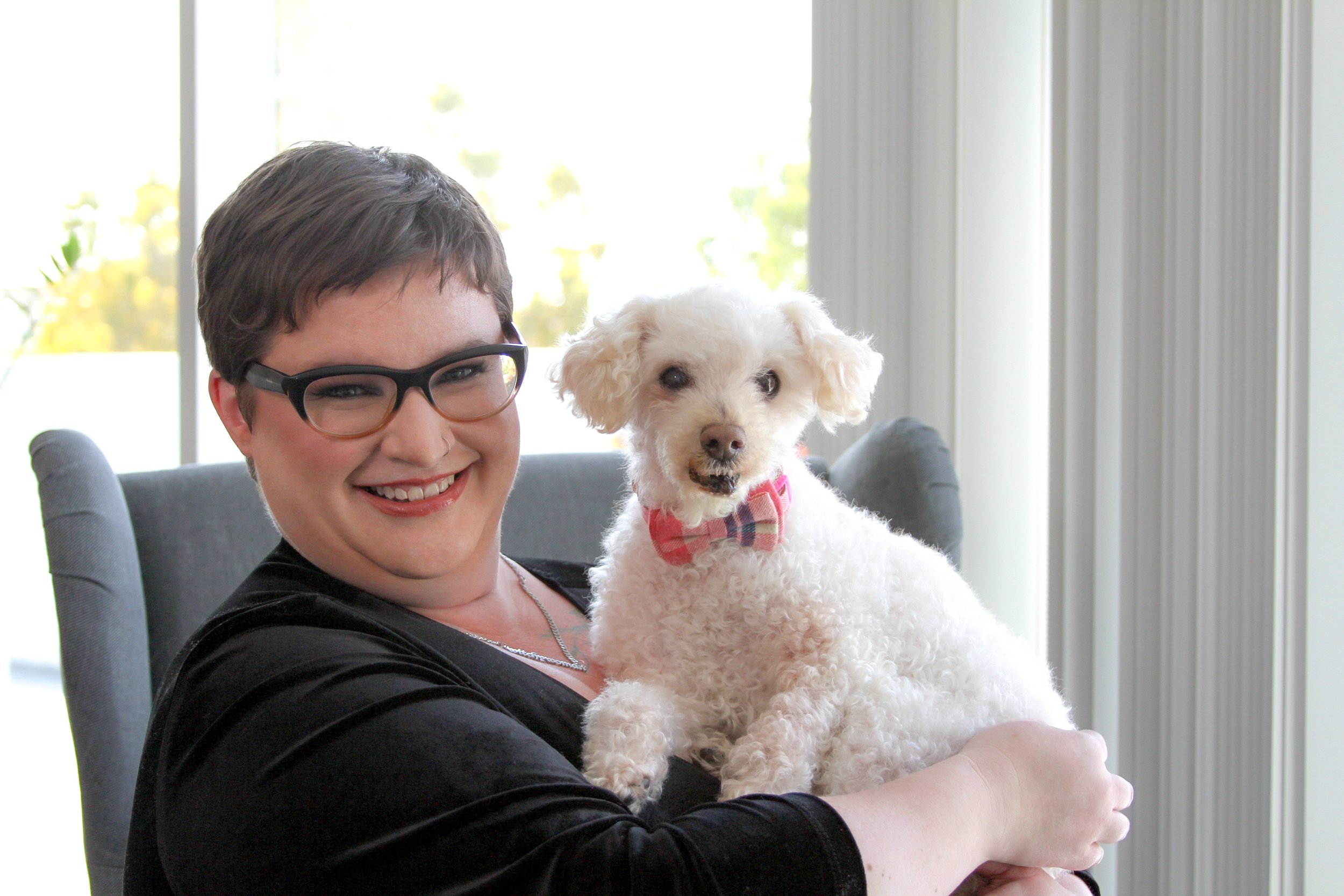
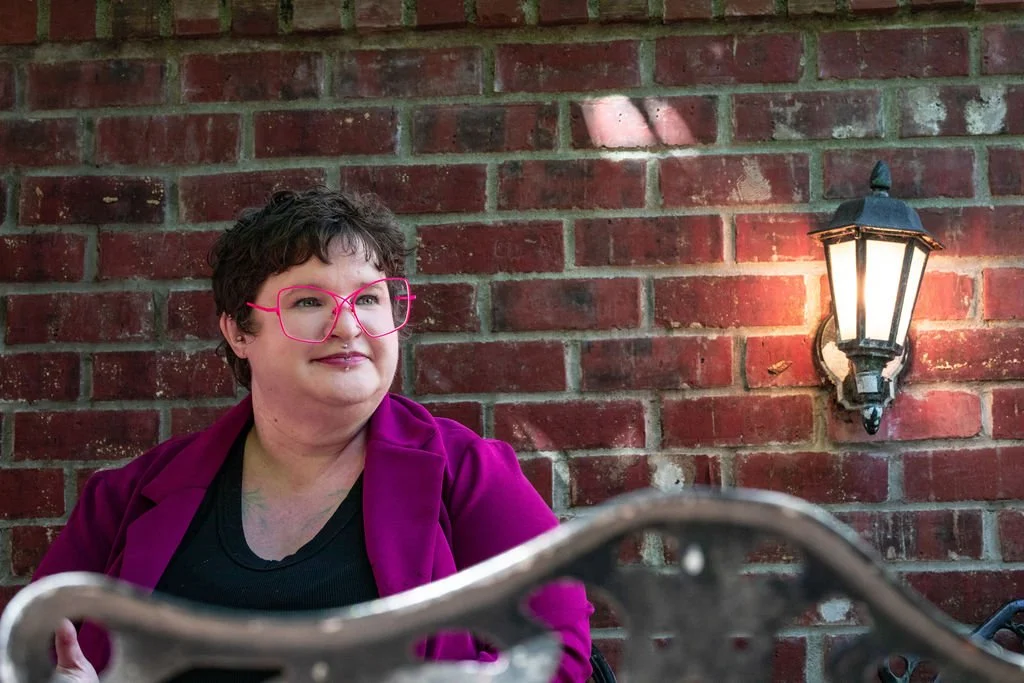
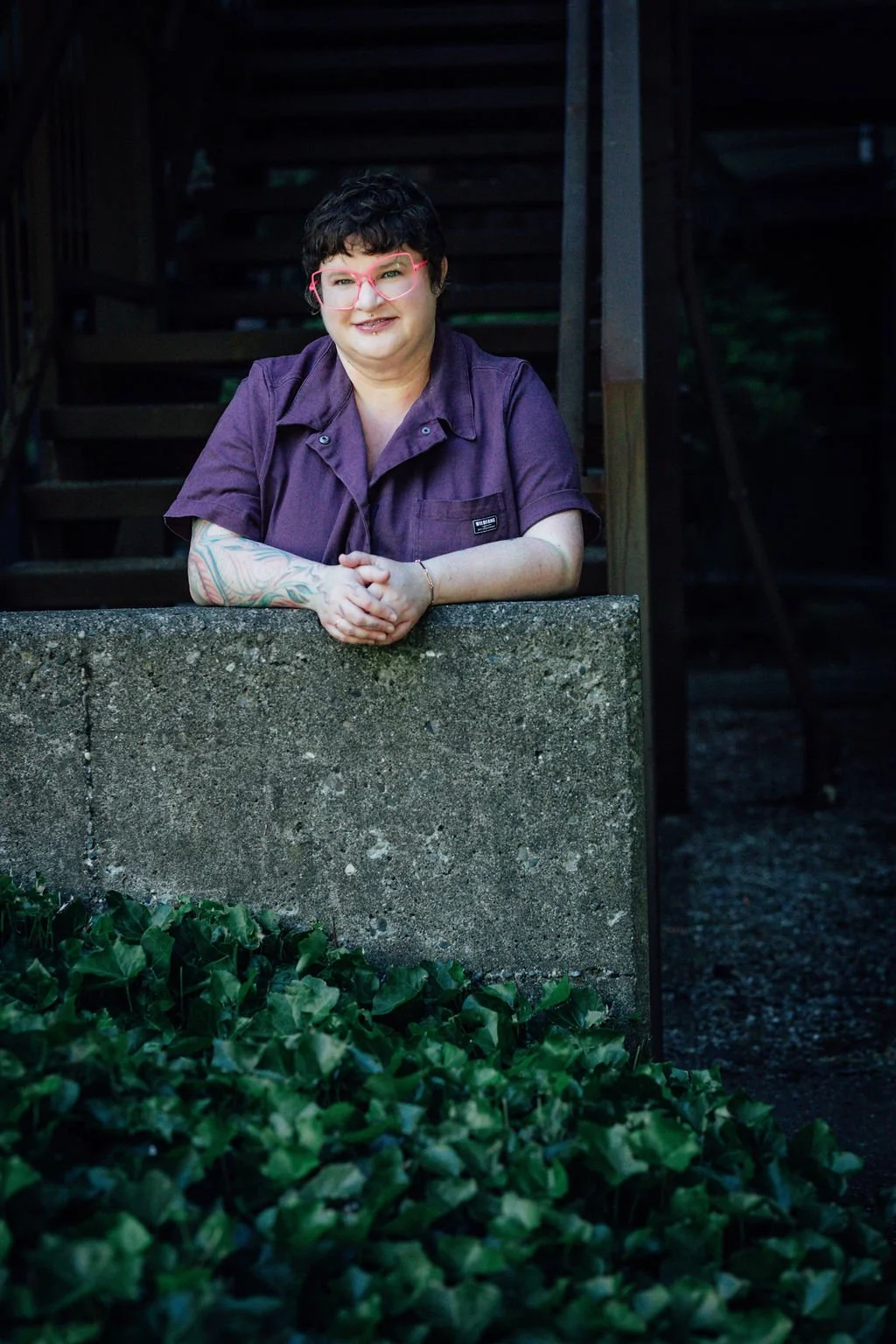
Hi!!! I’m Kelsey
(She/hers)
I’m a clinical psychologist and I specialize in working with survivors of trauma and violence. Through trauma focused recovery, I’ll help you build safety, process the past, and connect to the life you want to live.
My Approach
With each client, we co-create an individualized plan that draws from EMDR, DBT for trauma, CPT, Trauma Focused CBT, and ACT. These are all evidence-based forms of therapy that offer variety of supports and skills for trauma survivors.
Eye Movement Desensitization and Reprocessing (EMDR) is a therapy developed to treat symptoms of trauma directly through processing emotions, body sensations, beliefs, and memories anchored in our past. The process is supportive and guided to make trauma therapy manageable without overwhelming you.
Dialectical Behavior Therapy (DBT) for trauma engages skill building to reduce stress while moving forward with engaging in life’s activities. DBT offers many different coping skills to manage stress, soothe painful emotions, communicate effectively, feel grounded, and connect to personal values.
Cognitive Processing Therapy (CPT) and Cognitive Behavior Therapy (CBT) assist with understanding core beliefs that are established through big or significant experiences like trauma. As well, CPT and CBT can help challenge and change core beliefs to more align with your personal values and what’s true. This can be a vital part of healing from trauma.
Acceptance and Commitment Therapy (ACT) provides a set of skills to free ourselves from the ways we might get stuck with certain ways of thinking and being, and connect us to our personal values to build a life we want to be living.
With all approaches, I bring in important information about the larger systems that operate in our world and how they shape our understanding of ourselves and others, our experiences of trauma and recovery, and how we can navigate these in alignment with our values. This includes discussing how patriarchy, white supremacy, and capitalism intersect and reinforce environments of isolation and trauma, and how we can connect back to our communities and work to dismantle the power these systems have in all our lives.
How It Works
How do I get started?
Click “Book Now” and schedule an initial appointment. I will call to discuss your interests and goals for therapy, and my approach to see if we’re a good fit before getting started. This call is brief, about 20 minutes and helps us get the lay of the land.
01
What happens next?
If we’re a good fit to work together, I’ll confirm the initial appointment and we’ll get started. In this session we’ll discuss some background and set up therapy goals together. We’ll discuss the next steps and you’ll leave session with a clear plan for our work together.
02
And therapy sessions?
We’ll meet weekly for 50-minute sessions and work through the steps of your treatment plan. If at any time your goals change or something isn’t quite working, we can adjust so that therapy is effective for you and meets your needs.
03

Begin Now
FAQ’s
See my General FAQs for questions about fees, insurance and who I work with.
How often will we meet?
I meet with my clients on a consistent schedule that is set up to best meet their therapy goals, financial needs, and time constraints. Ideally, when we’re actively targeting trauma memories, we meet at least once weekly to maintain consistent support. Many clients however have to meet every other week and have not experienced any problems attending trauma therapy in this way. Once my client has reached their therapy goals for trauma healing, we’ll discuss ongoing maintenance and closing sessions occurring once per month. After that, my clients can schedule single sessions as needed, and close and restart therapy any time they need.
How does EMDR work?
Eye Movement Desensitizaton and Reprocessing, or EMDR, uses ongoing monitoring support to ensure clients can proceed with trauma processing in a safe way to prevent retraumatization. EMDR uses multiple stages that include assessing background and targets to focus processing on, setting up helpful supports to create safety throughout trauma processing, processing significant memories and experiences, and setting up future expectations grounded in resilience.
I am an EMDR therapist that offers attachment-focused EMDR, this specialized approach engages more safety building, supportive resources, and techniques to connect to early memories and experiences that shape us growing up. Attachment focused EMDR is highly effective for early childhood trauma and significant experiences from childhood that effect folx today, as well as safely processing trauma memories and significant experiences from adulthood as well.
I share more helpful information about EMDR on my blog and my podcast.
How will DBT help trauma?
DBT is quite helpful for many folx wanting to learn how to manage painful and uncomfortable emotions, communicate better with others, set boundaries, and work to align more closely with their personal values. DBT is a coping skills-focused therapy, that teaches clients specific and easy-to-use coping skills to help regulate emotions. My clients use DBT to build effective skills to use to support trauma recovery, cope with difficult emotions, enhance healthy relationships, and connect with their values.
You can get more information about DBT on my blog and podcast.
Do you have group therapy for trauma?
Yes, I facilitate a trauma-focused therapy group specifically for trauma survivors. This group helps people understand what trauma is and how it affects them, while building practical skills they can put into practice right away. Read more about this group here.
Begin your healing journey today.